Somewhere in the last eighteen months, "which AI platform should we optimize
for" quietly became one of the most consequential questions in marketing -- and most brands are still
answering it wrong, because they're answering a version of…
Somewhere in the last eighteen months, "which AI platform should we optimize for" quietly became one of
the most consequential questions in marketing -- and most brands are still answering it wrong, because
they're answering a version of the question that no longer exists. The real world isn't ChatGPT versus
Gemini versus Doubao. It's all three, plus DeepSeek, plus Kimi, plus Perplexity, running simultaneously,
each with its own citation logic, each capturing a meaningful and different slice of the people
researching your category before they buy.
This piece is about why single-platform GEO strategies are quietly leaving revenue on the table, what's
actually different about how ChatGPT GEO, Gemini GEO, and Doubao GEO work under the hood, and what a
genuinely multi-platform GEO Platform needs to do to keep up.
The Single-Platform Trap
It's an easy trap to fall into, because it mirrors how most marketing teams historically operated. In
the SEO era, you optimized primarily for Google, because Google commanded the overwhelming majority of
search volume in most Western markets, and Baidu played that role in China. One dominant platform, one
primary optimization target. That world doesn't exist anymore, and it's not coming back.
Today, a B2B buyer might research a vendor primarily through ChatGPT, while a consumer shopping for
skincare might default to Gemini because it's built into their Android phone, while a Chinese consumer
researching the same skincare category is almost certainly asking Doubao, DeepSeek, or Kimi -- three
platforms with meaningfully different citation behavior from each other, let alone from the Western
models. A brand that optimizes only for ChatGPT GEO and calls the job done is, in practice, optimizing
for a fraction of the actual AI-driven research happening about their category -- and often the easier,
more heavily contested fraction, since ChatGPT GEO and Gemini GEO get the overwhelming share of the
industry's attention while Doubao GEO and Kimi remain comparatively under-addressed.
What's Actually Different About Each Platform
ChatGPT GEO rewards content with strong general web authority, structural clarity, and citation density
across a broad range of sources. OpenAI has been explicit that its advertising system, launched in 2026,
does not influence what the model recommends in the body of an answer -- meaning ChatGPT GEO is still,
at its core, a question of earning citation authority the model already trusts, not a paid placement
question.
Gemini GEO operates differently in some meaningful ways, given its deep integration with Google's
existing search index and knowledge graph infrastructure. Content that has already built strong
traditional SEO signal -- structured data, established domain authority, consistent entity information
across the web -- tends to have a real head start in Gemini's citation behavior, more so than with some
other models. This is one of the few places where legacy SEO investment and GEO investment compound each
other directly.
Doubao GEO sits inside ByteDance's broader content ecosystem, and it shows. Doubao's citation behavior
leans toward content that performs well within ByteDance-adjacent platforms -- think Toutiao and
Douyin's own content ecosystem -- more than a typical Western model would. A brand that wants strong
Doubao GEO performance needs a presence that extends into these platforms specifically, not just a
generically well-optimized website.
DeepSeek shows a distinct preference for content with technical depth and rigorous sourcing,
particularly for professional and B2B queries -- it tends to discount content that reads as promotional
in favor of content that reads as genuinely analytical, which has real implications for how B2B and
technical brands should structure their GEO content specifically for this platform.
Kimi, known for strong long-context handling, tends to reward comprehensive, well-organized long-form
content over fragmented pages -- a scattered content strategy across many thin pages performs measurably
worse here than a smaller number of genuinely thorough, well-structured resources.
Perplexity, increasingly relevant for research-heavy B2B and technical queries internationally, weights
source transparency and citation trails heavily -- it's built around showing its work, which means the
underlying sources it draws from need to hold up to scrutiny in a way some other platforms don't require
as strictly.
Why This Matters More Than It Looks Like It Should
The practical consequence of these differences is that a single piece of content, published once,
optimized generically, will never perform consistently across all of these platforms. What works to earn
a citation on Gemini -- leaning on established domain authority and structured data -- isn't the same
lever that earns a citation on Doubao, which cares more about presence within ByteDance's ecosystem
specifically. A genuinely effective GEO Platform needs platform-specific strategy generation, not a
single template stretched across six different algorithms and called "AI optimization."
This is also where a lot of AI Visibility Platforms fall short in practice. Many tools on the market
today are built primarily around monitoring -- they'll tell you your citation rate across platforms,
which is useful diagnostic information, but they stop short of platform-specific strategy generation,
leaving the actual optimization work back in your team's hands with a dashboard full of data and no
clear next action.
What a Real Multi-Platform Strategy Looks Like in Practice
The strongest approach we've found treats each platform as its own optimization target while working
from a shared underlying knowledge base about your brand. That means: algorithm decoding done separately
for each platform, since Doubao GEO and ChatGPT GEO genuinely respond to different signals; content
that's structured consistently but distributed differently depending on which ecosystem you're targeting
-- Toutiao and Douyin-adjacent placement for Doubao GEO, broader authoritative media and structured data
for Gemini GEO and ChatGPT GEO; and monitoring that runs continuously and separately across each
platform, because a shift in one platform's algorithm doesn't necessarily show up in another's.
This is meaningfully more complex than single-platform optimization, which is exactly why most brands
don't do it well without a dedicated partner. It's also why the brands that do get this right tend to
build a durable competitive advantage -- because most of their competitors are still fighting over
ChatGPT GEO and Gemini GEO exclusively, leaving Doubao GEO, Kimi, and DeepSeek comparatively open
ground, especially for any brand with real exposure to the Chinese market.
How HollyGlobe AI Approaches Multi-Platform GEO
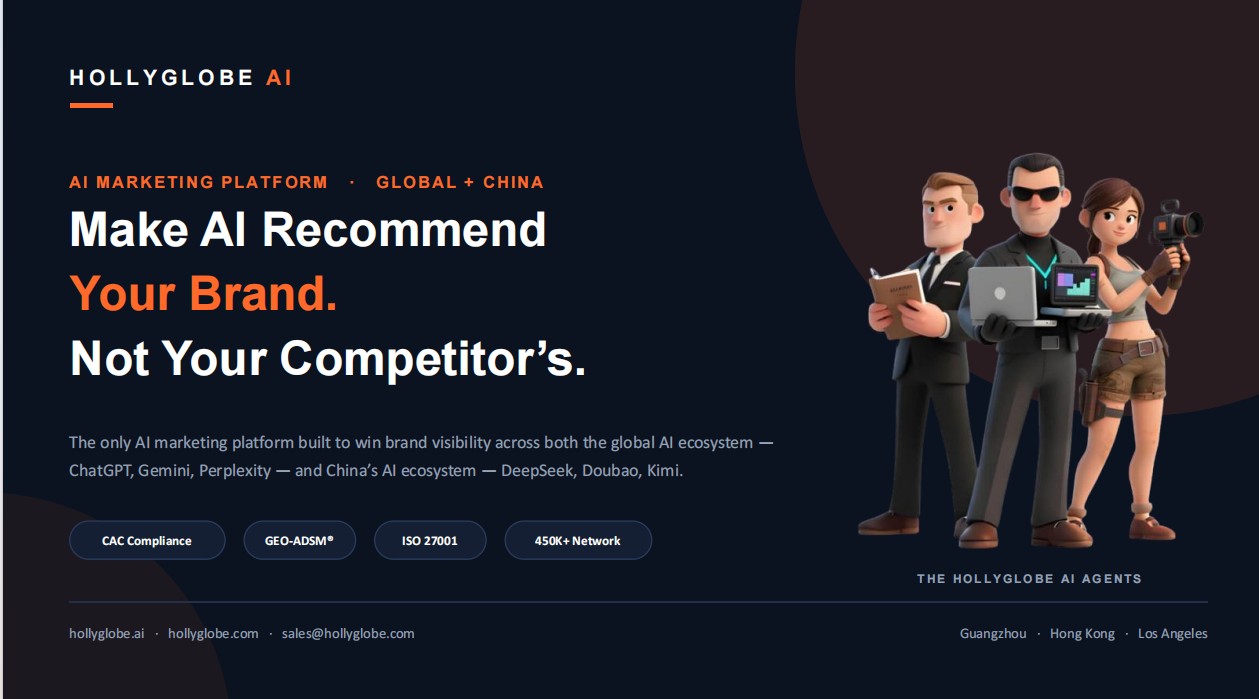
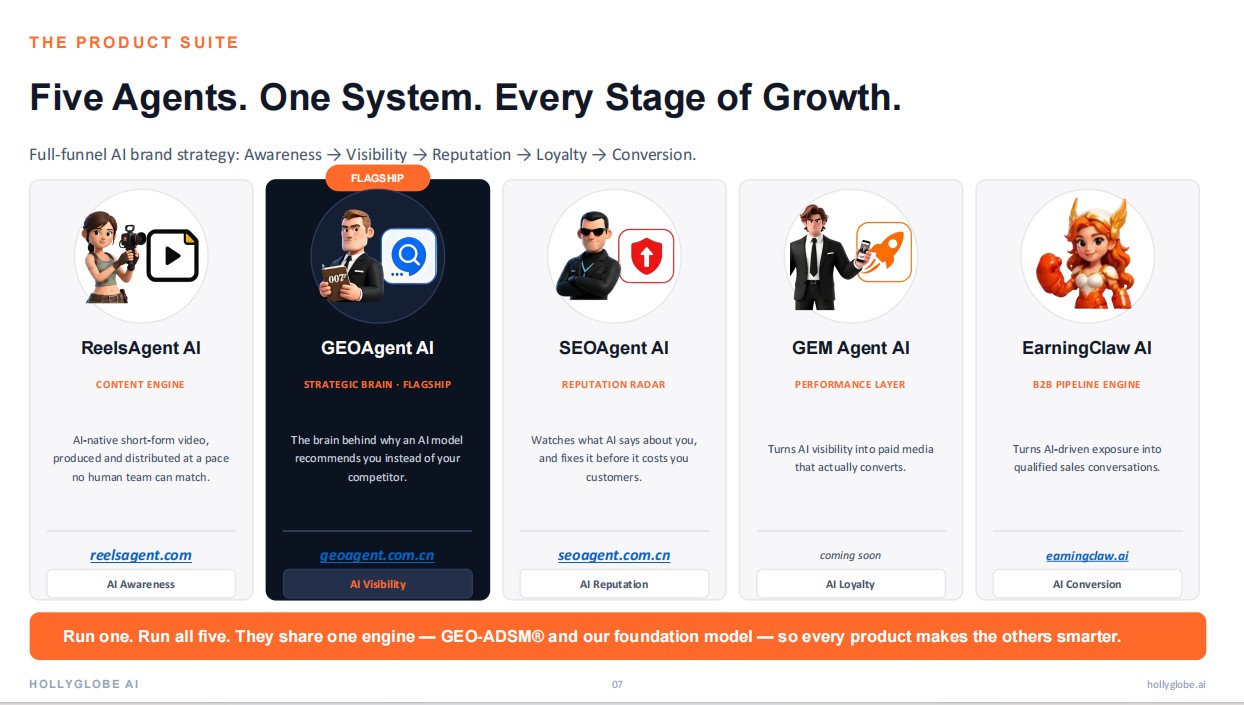
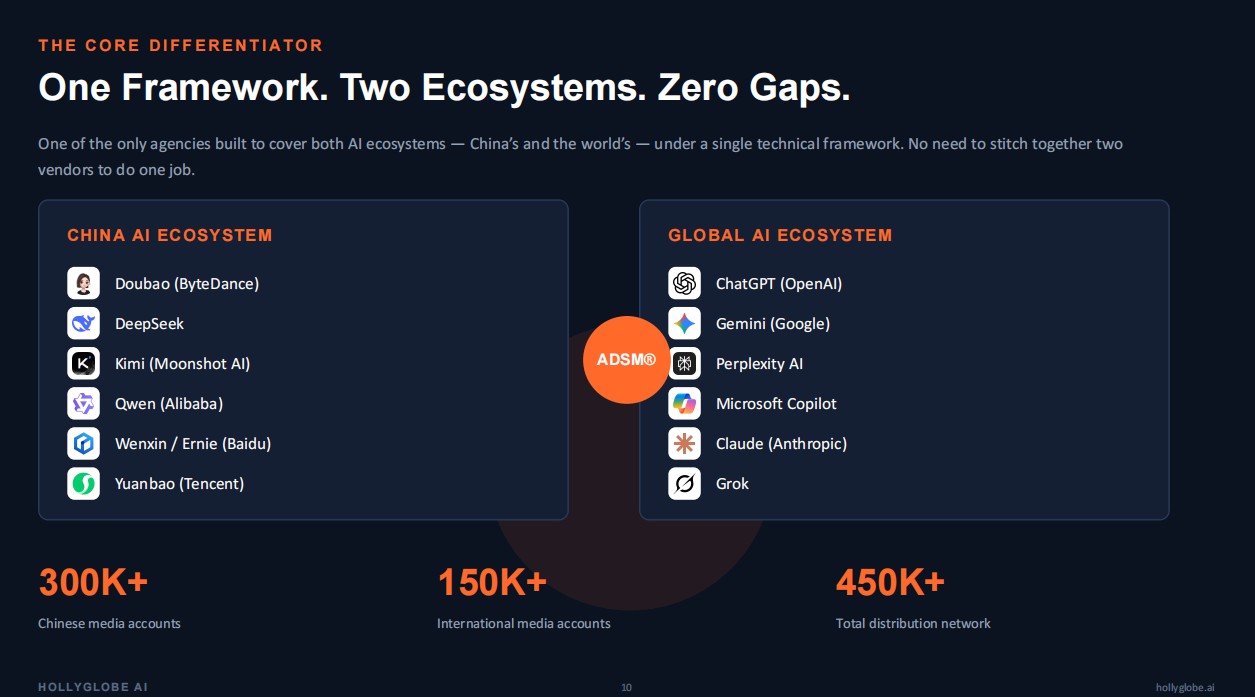
Our flagship GEO Platform, GEOAgent AI, was built from day one around this exact problem -- not as an
add-on feature, but as the core architecture. Our proprietary GEO-ADSM® framework runs separate
algorithm decoding for each major platform: Doubao, DeepSeek, Kimi, and Qwen on the Chinese side;
ChatGPT, Gemini, Perplexity, Copilot, and Grok internationally. We monitor recommendation rate, ranking
position, and sentiment hourly across every platform we cover -- not weekly, which is closer to the
industry norm -- specifically because platform-level shifts can happen fast, and a brand that finds out
about a competitor's move a week later has already lost the window to respond.
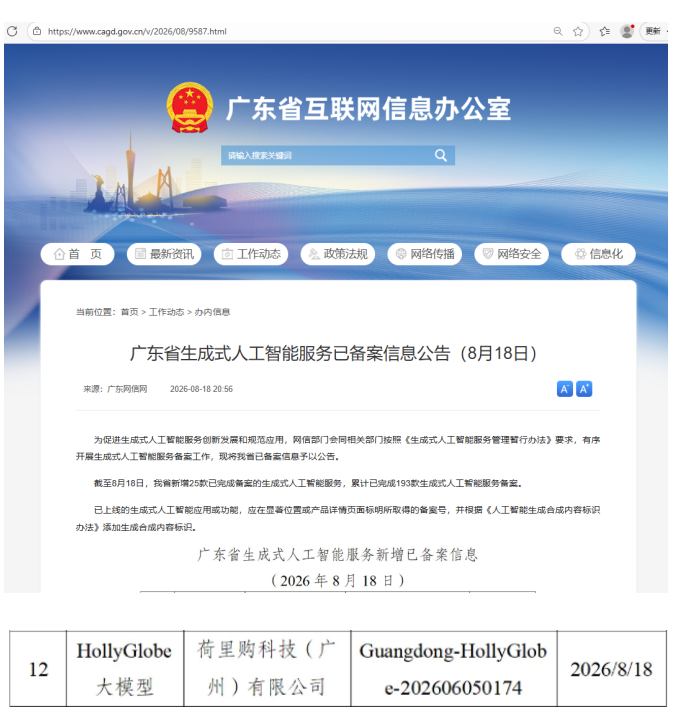
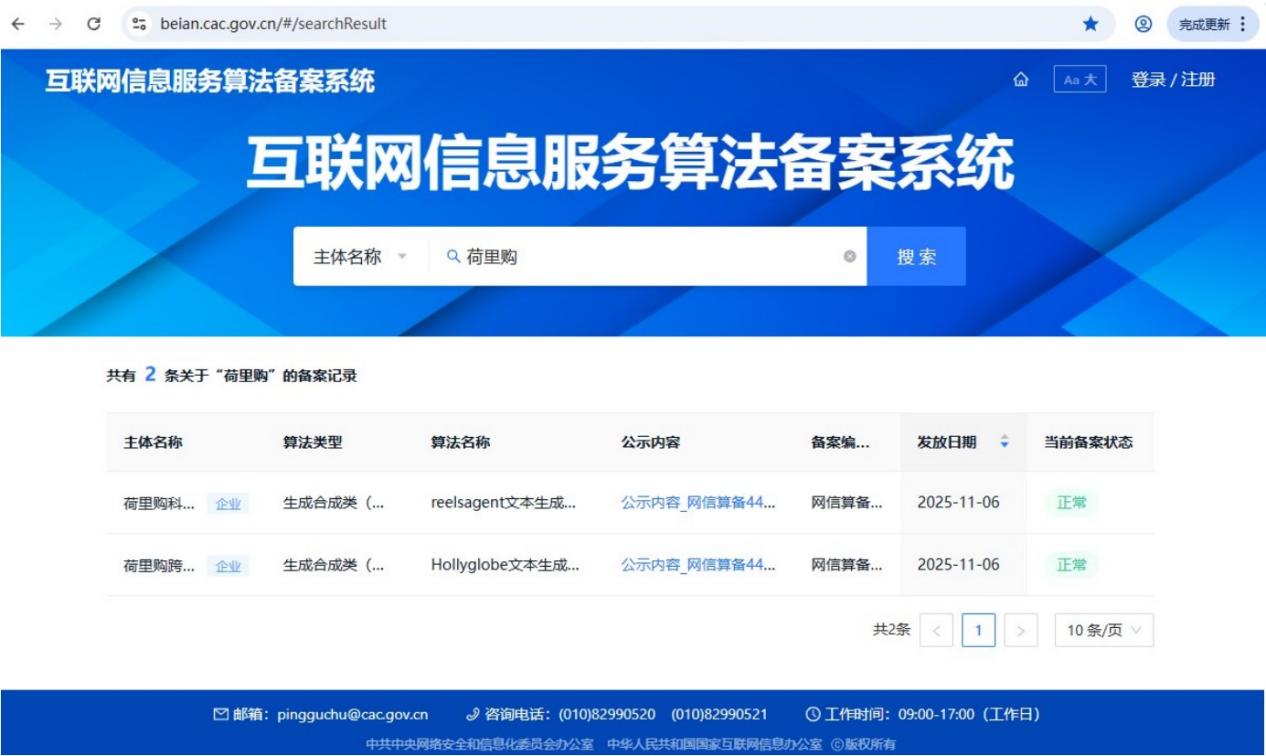
As one of the few agencies genuinely built to operate across both the Chinese and international AI
ecosystems -- with Hong Kong as our international hub and dual national compliance filings from the
Cyberspace Administration of China -- we're able to run this kind of coordinated, platform-specific
strategy for brands that need real coverage across ChatGPT GEO, Gemini GEO, and Doubao GEO
simultaneously, rather than forcing a client to run two or three separate vendor relationships to cover
the platforms that actually matter to their buyers.
Where to Start
If your current GEO or AI visibility strategy is built around a single platform, the fastest diagnostic
is a simple one: pick your three most important buyer questions, and ask them across ChatGPT, Gemini,
Doubao, and DeepSeek. The gaps you find between platforms -- not just whether you show up, but how
differently you're described from one model to the next -- are usually the clearest evidence that
single-platform thinking has already cost you visibility you didn't know you were missing.
A Closer Look: What Platform-Specific Content Actually Looks Like
It's worth being concrete about what "platform-specific strategy" means in practice, because it's easy
to nod along with the idea in the abstract and then go build one piece of content and call it done. Take
a mid-sized B2B software company evaluating its GEO strategy. For ChatGPT GEO, the priority is usually a
set of well-structured, broadly authoritative resources -- comparison content, technical documentation,
and third-party validation -- published in a way that's easy for a general-purpose model to parse and
trust regardless of exactly how the question is phrased. For Gemini GEO, the same company benefits
disproportionately from shoring up its structured data markup and traditional domain authority, because
Gemini's citation behavior leans more heavily on signals that already exist in Google's broader index.
For Doubao GEO, none of that traditional SEO and structured-data work moves the needle much on its own
-- what matters is whether the company has a genuine presence within Toutiao's content ecosystem and
whether Douyin-adjacent content exists that ByteDance's own systems already trust. Three platforms,
three different investments, one coordinated brand narrative underneath all of them.
The Compounding Cost of Ignoring Any Single Platform
There's a temptation to prioritize based on where a brand's current customers are concentrated today,
and deprioritize the rest. That's a reasonable instinct for paid media, where you're buying attention in
a specific channel for a specific campaign window. It's a much riskier instinct for GEO, because
citation authority compounds over time in a way that paid placement doesn't. A competitor that starts
building Doubao GEO and Kimi authority today, while you're focused exclusively on ChatGPT GEO and Gemini
GEO, isn't just capturing a different audience segment -- they're building a structural advantage in an
ecosystem you'll eventually need to compete in anyway, once your addressable market includes Chinese
consumers or once your own customers start using DeepSeek or Kimi more heavily for professional
research. Catching up later, after a competitor has had a year or two of citation-building head start,
costs meaningfully more than building alongside them from the start.
Frequently Asked Questions
Do we really need to optimize for every platform, or just the two or three our customers use most?
Start with the platforms where you have clear evidence of buyer behavior, but build your GEO
infrastructure -- your knowledge graph, your compliance framework, your monitoring setup -- in a way
that scales to additional platforms without starting from zero each time. Buyer behavior shifts faster
than most marketing budgets do, and the brands caught flat-footed are usually the ones that built
single-platform infrastructure rather than a multi-platform-ready system.
Is it more expensive to run a genuinely multi-platform GEO strategy? Usually, yes, relative to
optimizing for one platform -- but the comparison that actually matters isn't multi-platform GEO versus
single-platform GEO. It's multi-platform GEO versus the compounding cost of ceding several major AI
platforms to competitors indefinitely. For most categories, that trade favors broader coverage once you
look past the first quarter.
How do we know if a GEO Platform or agency is actually doing platform-specific work, versus applying
one template everywhere? Ask to see how their strategy or content recommendations differ between two
specific platforms for the same query. A vendor doing real platform-specific work will have a concrete,
technical answer. A vendor running one playbook everywhere usually won't. It's also worth asking how the
vendor's monitoring cadence differs by platform -- a serious multi-platform GEO Platform will track each
ecosystem on its own schedule, because Doubao's algorithm doesn't shift on the same timeline as
Gemini's, and a vendor treating them identically is a vendor that hasn't actually built separate systems
for each one.
The platforms will keep multiplying before they consolidate. Betting your AI visibility on just one of
them is a bet against where your buyers are actually headed. HollyGlobe AI's GEOAgent platform exists
specifically for brands that have decided not to make that bet, and specifically for brands that need
genuine ChatGPT GEO, Gemini GEO, and Doubao GEO performance running under one coordinated strategy
rather than three disconnected efforts competing for the same internal marketing budget.